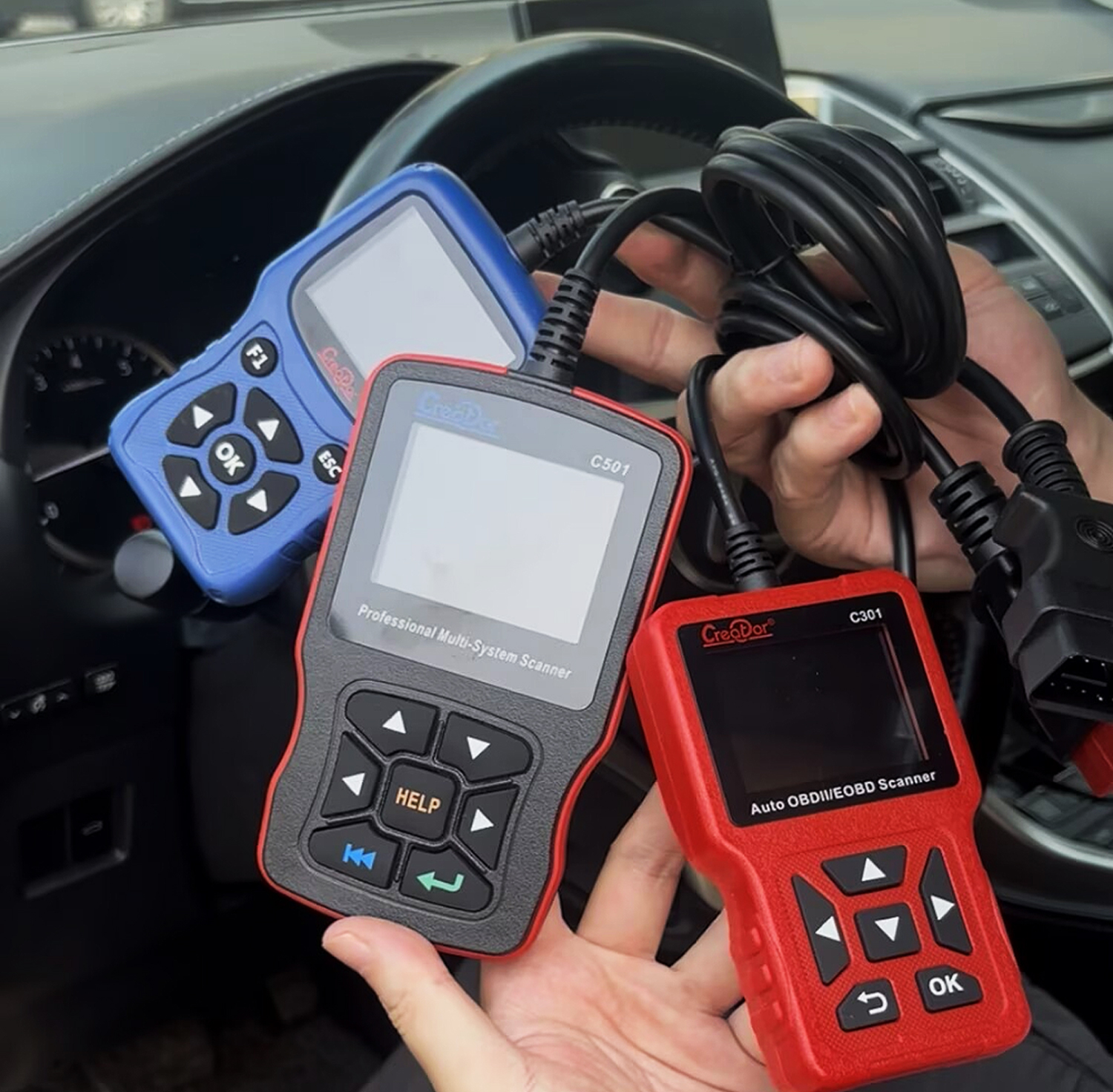

For a long time, China’s automotive inspection industry has been a government-monopolized sector. In the 1960s, motor vehicle inspection was mainly conducted in accordance with the *Measures for the Administration of Motor Vehicles*. With a very small number of motor vehicles at that time, the inspection service had not yet formed a market. It was not until the 1980s that, to ensure traffic safety and reduce accident rates, the Ministry of Communications began to establish comprehensive motor vehicle performance inspection stations across the national highway transportation and vehicle management system. At present, the regulatory authority of inspection stations has been transferred to the General Administration of Quality Supervision, Inspection and Quarantine, with specific supervision and inspection over motor vehicle safety and technical inspection institutions undertaken by the bureaus of quality and technical supervision of all provinces, autonomous regions, and municipalities directly under the Central Government. Currently, most domestic inspection stations are invested and constructed by transportation and transport management authorities. This has led to incomplete inspection items and inaccurate test results at automotive inspection stations, which may further result in comprehensive performance inspection stations in certain regions neglecting core procedures in automotive inspection. China’s automotive inspection enterprises are geographically distributed according to administrative divisions, and constructed in a planned manner under the unified arrangement of transportation authorities. This model avoids resource waste caused by redundant construction, yet also brings about structural monopoly. Meanwhile, the inspection sector is categorized as a small-scale technical enterprise, imposing inherent constraints on its development. Driven by the rapid progress of modern automotive manufacturing, as a segment of the automotive aftermarket, comprehensive automotive performance inspection also undertakes responsibilities for the administration of the transportation industry, making the current industrial structure inappropriate. ## (II) Policy-Driven Development of the Automotive Inspection Industry To support automotive inspection practices, more than 100 standards and procedures related to automotive inspection have been issued and implemented in China. The Ministry of Public Security and the Ministry of Communications have introduced a series of laws and regulations, basically ensuring that there are laws to abide by from the establishment of automotive inspection stations to the implementation of specific inspection items. Policies on comprehensive automotive performance inspection are mainly implemented in accordance with Order No. 13 issued by the Ministry of Communications in 1990 and Order No. 29 issued in 1991. These two documents established China’s comprehensive automotive performance inspection system and clarified the tasks and basic requirements for comprehensive automotive performance inspection stations. Subsequent documents, including the *Standards for Grading Automotive Technical Conditions* (JT/T 198-95) and the *Code of Practice for Automotive Maintenance* (Order No. 2 of the Ministry of Communications, 1998), further specified the detailed tasks of comprehensive automotive performance inspection, putting regular inspection of transport vehicles on a steady development track. In 2002, the promulgation of the mandatory national standard *Requirements and Test Methods for Comprehensive Performance of Operational Vehicles* marked that comprehensive automotive performance inspection had established its own standards for performance requirements and inspection methods. In addition to the widespread implementation of technical grade evaluation inspection for operational vehicles, the inspection of automotive maintenance quality has also achieved sound progress with the support of national policies. The mandatory national standard GB 7258-2004 *Technical Conditions for Safety of Motor Vehicles in Operation* serves as the fundamental standard for vehicle administration and motor vehicle safety performance inspection in China. GB/T 17993-2005 *General Requirements for the Capability of Comprehensive Automotive Performance Inspection Stations* has institutionalized and standardized automotive inspection from the establishment of comprehensive inspection stations to the testing of specific items, reaching a high level in line with the modernization of the automotive industry. Furthermore, national policies have continuously boosted the development of the automotive inspection market and related sectors such as inspection stations. Examples include the *Measures for the Administration of Declaratory Inspection Institutions for Emission Pollution of Newly Produced Motor Vehicles* issued by the State Environmental Protection Administration in April 2006, the *Regulations on the Supervision and Administration of Vehicle Product Inspection* released by the National Development and Reform Commission in February 2008, and the *Measures for the Administration of Highway Over-Limit Detection Stations* promulgated by the Ministry of Transport on June 24, 2011. ## III. Analysis on the Current Development Status of the Automotive Inspection Industry Advances in modern science and technology, especially computer technology, have turned automotive inspection into a specialized technology for testing and examining the technical conditions of motor vehicles. This technology enables non-disassembly inspection of automobiles, which is both safe and convenient. With the rapid development of China’s automotive manufacturing and highway transportation industries, automotive inspection technologies have been continuously improved and inspection equipment has been increasingly upgraded. In 2012, the scale of China’s automotive inspection market exceeded 20 million vehicle tests.